
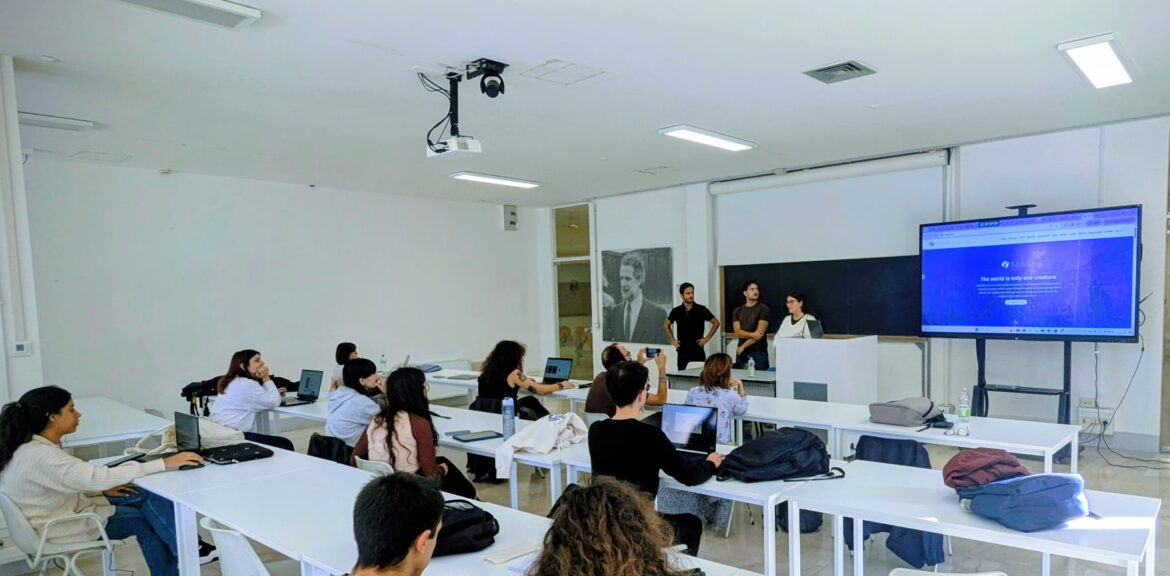
How can young people actively contribute to more sustainable, resilient, and inclusive cities? This guiding question shaped the Sustainability Conference, held on 29 October 2025 at the Faculty of Architecture of the University of Palermo (UNIPA). Building on the core themes of youth-led participation, gamification, and education for sustainability, the conference brought together students, teachers, researchers, youth workers, and urban planning professionals to reflect on innovative approaches to urban transformation and civic engagement.
The event fostered an open and collaborative atmosphere where participants from different disciplines and levels of experience could exchange ideas on equal footing. Thanks to a strong shared background in sustainability and urban development, discussions quickly moved beyond theory and focused on practical applications, methodologies, and real-life experimentation.
A key contribution came from CESIE ETS, which presented the overall journey of the project, illustrating its different phases, underlying ideas, and core methodologies. Particular attention was given to participatory approaches such as the Agora Methodology, as well as to the main results achieved. This intervention helped participants better understand how youth-led, game-based processes can be structured, replicated, and adapted across different local and European contexts.
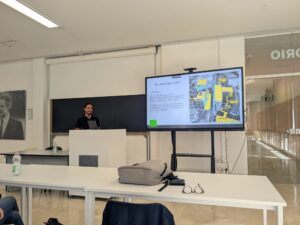
A central focus of the conference was the use of gamification and Minecraft-based approaches as educational and participatory tools. This perspective was further enriched by the interventions of architecture professors who have been using Minecraft for years as an experimental platform for urban and architectural design. Drawing on long-term academic practice, they shared how the tool supports spatial thinking, collective design, and the exploration of urban scenarios, demonstrating its value not only as an educational game but as a serious instrument for architectural experimentation.
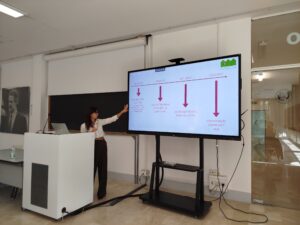
Through concrete examples and case studies, participants explored how interactive environments can help young people and communities visualise urban change, test ideas, and better understand the complexity of sustainability challenges. These approaches were widely recognised as effective ways to make participation more accessible, engaging, and meaningful.
The conference also highlighted the importance of linking local experimentation to a broader European perspective, showing how educational practices, youth engagement, and digital tools can contribute to shared strategies for resilient cities while benefiting from cross-country collaboration and knowledge exchange.
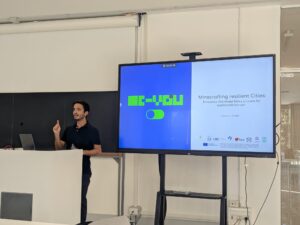
Hosted within the creative and experimental setting of the Faculty of Architecture at UNIPA, the conference offered an ideal space for dialogue, informal exchange, and collaboration. Panel discussions, breaks, and group conversations further strengthened connections among participants and opened pathways for future cooperation.
Overall, the Sustainability Conference reaffirmed the value of participatory, youth-driven, and game-based approaches in shaping the cities of tomorrow. Participants left inspired and motivated to continue exploring innovative, inclusive, and creative ways to support sustainable urban development across Europe